Sunday, August 15, 2021
MURAKAMI FLOWERS
Murakami Flowers

Learning Targets
I can...
- Create an original Murakami Flower using drawing techniques learned in class
- Use shape variation (geometric, organic), line types (horizontal, vertical, diagonal) and space (positive negative) inspired by Contemporary Artist (1962-Present) Takashi Murakami
- Use form (two dimensional, three dimensional) and design principles (repetition, variation, contrast) based on Contemporary Art
- Define Super Flat (a woodcut aesthetic combining fine art and pop culture of Japan)
Lesson One
Day One, Art Start
1. Flowers of Hope (2018) Takashi Murakami

2. Read Planting A Rainbow by Lois Ehlert
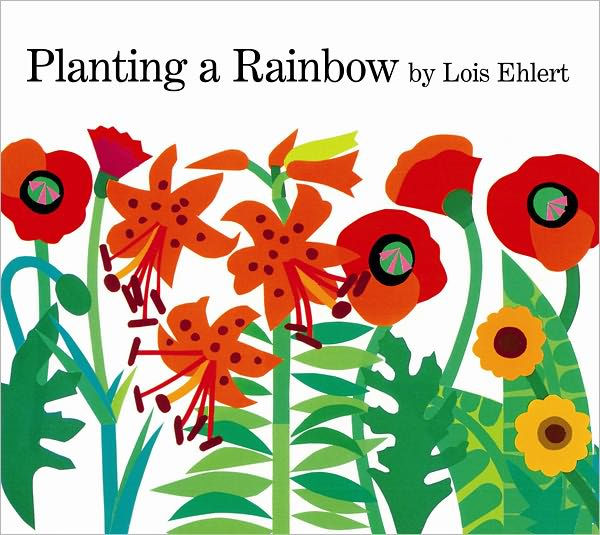
3. Discussion Questions "What is different about these flowers? How many different colors can you find of this flower? Are some of the flowers more colorful than others? How would you describe the shape of the petals? Are the petals of each flower the same? How many petals does this flower have? How would you describe the center of this flower? Where did you find each flower? How would you describe it? How would you describe the stem? How would you describe the petals? Is this flower part of something else or is it growing by itself? Are there more flowers like this one nearby? What kind of flower do you think this is?"
Lesson Activities
1. Choose 12" X 15" Drawing Paper
2. Use line types (horizontal vertical diagonal) to draw positive space (flower) of flower drawings
3. Use analogous colors (red orange yellow) to fill in the positive space (flower) of the Murakami Flowers
Day Two, Art Start
1. Retrieve Murakami Flowers for Assigned Table
2. A Flower Forest (2021) Takashi Murakami

3. Discussion Questions "What type of flower would you be? How many flowers can you identify? Do you know the names of all these flowers? How many different colors can you find on this flower? Are some of the flowers more colorful than others? How would you describe the same of the petals? Are the petals of each flower the same shape? How many petals does this flower have? How would you describe the center of this flower? Where do you find each flower? How would you describe it? How would you describe its stem, petals, or leaves? Is the flower part of something else or is it growing by itself? Are there more flowers like this one nearby? If you gently touch this flower, how does it feel? Are parts of it smooth or rough? What kind of flower do you think this is? How are the flowers the same? How are the flowers different?"
Lesson Activities
1. Add shape variation (geometric organic free form) to negative shape (background) of the flower drawings
2. Use patterns (swirls, zig zag, stripes) to add a design to the negative space (background) of the flower drawings
3. Use chalk to blend patterns (swirls, zig zag, stripes) for the negative space (background) of the Murakami Flowers
Day Three, Art Start
1. Retrieve Murakami Flowers for Assigned Table
2. Set Up Studio Area (chalk pastels, erasers, colored pencil)
Lesson Activities
1. Blend analogous colors (orange yellow red) for the positive space (flower) of the flower drawings
2. Add highlights (light source reflective light) to the positive space (flower) of the flower drawings
3. Add illusion of depth by adding details (petals glitter smile) to the positive space (flower) of the Murakami Flowers
Artist Examples


 Student Examples


Monday, December 14, 2020
WARM AND COOL FLOWERS
Warm And Cool Flowers

Learning Targets
I can...
- Create an original Warm And Cool Flower using drawing techniques learned in class
- Use color theory (warm colors cool colors), line types (horizontal vertical diagonal) and space (positive negative) inspired by Folk Artist (1908-1997) Maria Primachenko
- Use drawing techniques (overlapping cropping alternating patterns) and design principles (composition repetition variation) based on Folk Art
- Define Style (artist portrays subject matter and expressed visual elements through a work of art)
Lesson One
Day One, Art Start
1. October Flowers (1968) Maria Primachenko

2. Reading Painting A Rainbow by Lois Ehlert

3. Discussion Questions "What type of flower would you be? How many flowers can you identify? Do you know the names of all these flowers? How many different colors can you find on this flower? Are some of the flowers more colorful than others? How would you describe the shape of the petals? Are the petals of each flower the same shape? How many petals does this flower have? How wold you describe the center of this flower? Where did you find each flower? How would you describe it? How would you describe its stem, petals, or leaves? Is the flower part of something else or is it growing by itself? Are there more flowers like this one nearby? If you gently touch this flower, how does it feel? Are parts of it smooth or rough? What kind of flower do you think this is? How are the flowers the same? How are the flowers different?"
Lesson Activities
1. Choose 12" X 15" Drawing Paper
2. Use line types (horizontal vertical diagonal) to draw positive space (flower) of flower drawings
3. Use analogous colors (red orange yellow) to fill in the positive space (flower) of the Warm And Cool Flowers
Day Two, Art Start
1. Retrieve Warm And Cool Flowers for Assigned Table
2. Blue Eyed Flowers (1983) Maria Primachenko

3. Discussion Questions "What elements of this drawing seems real? What adjectives would you use to describe this artwork? What verbs would you use to describe this artwork? What elements seem dreamlike or imaginary? What is strange about this artwork? What is exciting about this artwork? What do we know about the artist after viewing this artwork? If you could ask the artist a question, what would you ask her? Why do you think the artwork was created? Why do you say that? How do you think the artist feels about the final product? How do you think this artwork was made? Why do you think the artist made this work ?What do you think the artist is trying to say in this artwork?"
Lesson Activities
1. Add shape variation (geometric organic free form) to negative space (background) of the flower drawings
2. Use patterns (swirls zig zag stripes) to add a design to the negative space (background) of the flower drawings
3. Use chalk to blend patterns (swirls zig zag stripes) for the negative space (background) of the Warm And Cool Flowers
Day Three, Art Start
1. Retrieve Warm And Cool Flowers for Assigned Table
2. Set Up Studio Area (chalk pastels, erasers, colored pencils)
Lesson Activities
1. Blend analogous colors (orange yellow red) for the positive space (flower) of the flower drawings
2. Add highlights (light source reflective light) to the positive space (flower) of the flower drawings
3. Add illusion of depth by adding details (petals bow glitter) to the positive space (foreground) of the Warm And Cool Flowers
Artist Examples


 Student Examples


Tuesday, January 15, 2019
CHARLEY HARPER INSPIRED CARDINALS
Charley Harper Inspired Cardinals

Learning Targets
I can...- Create a Charley Harper Cardinal using watercolor techniques learned in class
- Use shape types (circle, triangle, rectangle, square), line variation (horizontal, vertical, diagonal) and primary colors (red, yellow, blue) inspired by Modernist Artist (1922-2007) Charley Harper
- Use design principles (movement, composition, balance) relating to Minimal Realism
- Define Geometric Shape (circle, square, rectangle, triangle)
Lesson One
Day One, Art Start
1. Cardinal, Cardinal With Berries (1954) Charley Harper
Lesson Activities
1. Choose 12" by 15" White Drawing Paper2. Use scissors to cut out small, medium, and large birds for Charley Harper Cardinals
3. Use primary colors (red yellow blue) to color positive space (belly, beak, feathers) of cardinal collage
Reminder:
- Initials & Home Teacher on Back of Paper
Day Two, Art Start
1. Retrieve Charley Harper Inspired Cardinals for Assigned Table2. Cardinal with Seeds (1992) Charley Harper

Lesson Activities
1. Use cool colors (purple, blue, green) to fill in the background of the cardinals2. Glue down small, medium, and large birch tree bark for middle ground of cardinal collage
2. Glue down small, medium, and large birds in the foreground of Charley Harper Cardinals
Day Three, Art Start
1. Retrieve Charley Harper Inspired Cardinals for Assigned Table2. Set Up Studio Area (glue sticks, paint brushes, glitter)
Lesson Activities
1. Use value (dark brown, light brown) to add shadows behind Collaged Bird Trees2. Use neutral colors (white, grey, black) to add details (snowflakes, bushes, berries) to foreground of Cardinal Collage
3. Add implied texture (feathers, leaves, fabric) to positive space of Charley Harper Cardinals
Artist Examples


Student Examples


 Posts

